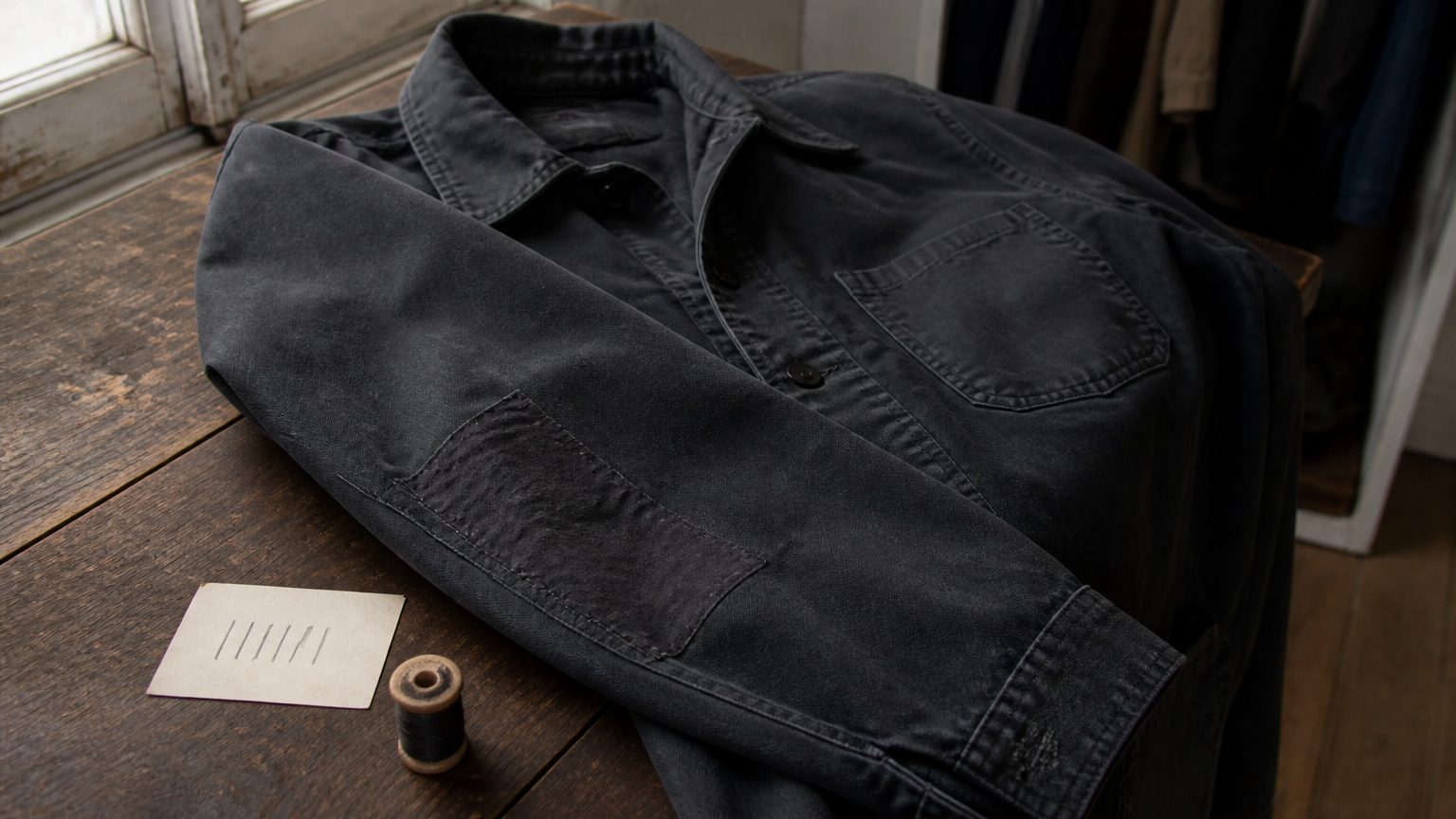
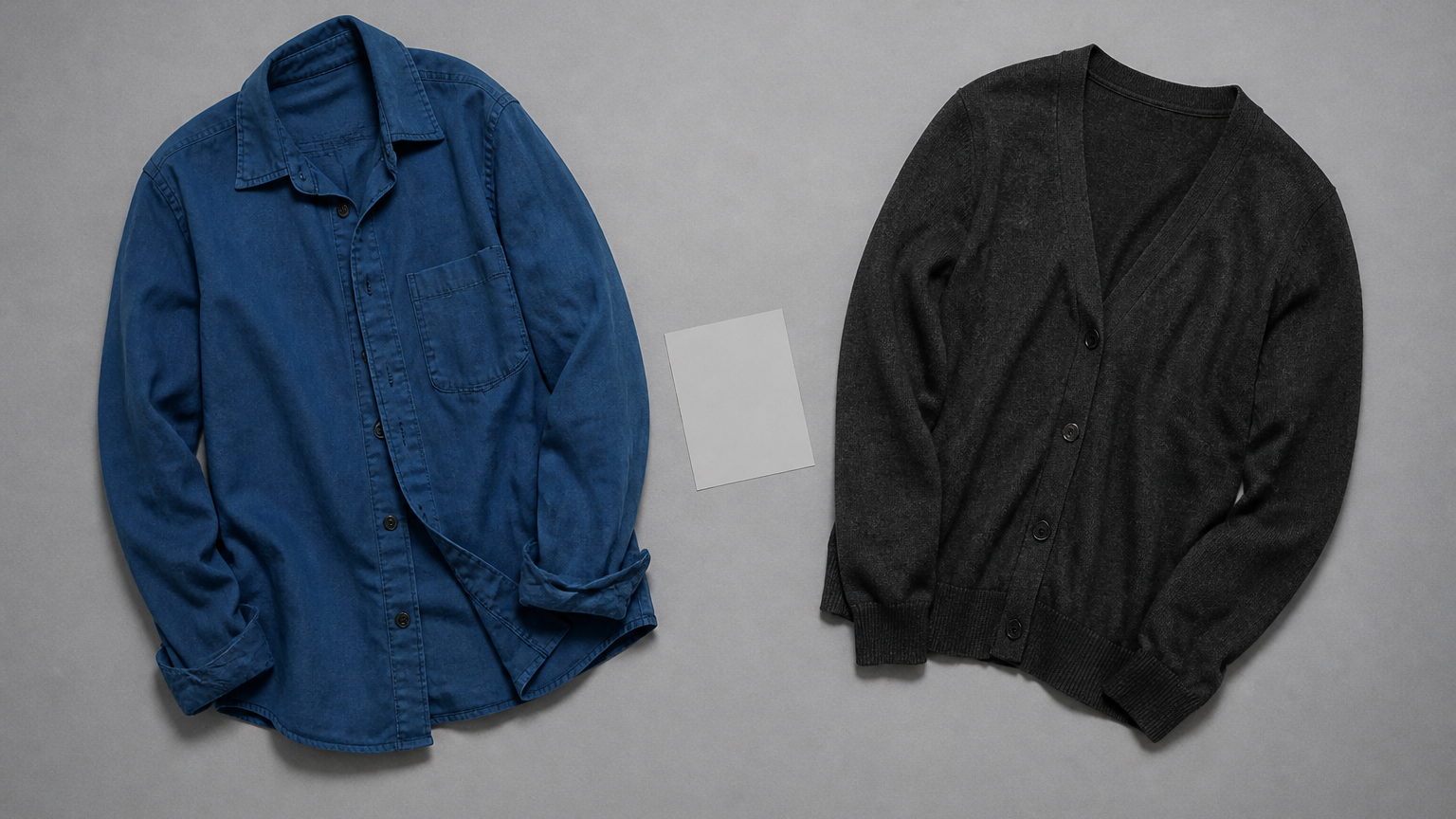
A wardrobe gap is a documented situation in which a context you expect to dress for has no owned option that meets your stated requirement. A wish-list item can still be appealing, but it is not a gap until you have checked that context and the clothes you already have. If either record is missing, leave the question open rather than calling an item necessary or treating it as a reason to buy.
Name the context before the item
Start with a context that is real for you: a work rule, an event, a caregiving responsibility, a climate condition, an access need, or a part of your life that has a defined period. A general idea of what a wardrobe should contain is not enough evidence on its own.
Check one owned alternative
Look at one garment you already have that might serve the context. You are only checking whether you considered it, not grading its quality, fit, value, or style. If it does not meet a requirement you can state clearly, write that reason in your own words. If you cannot state the reason, keep the question open.
Use a gap-evidence card
Make three short lines: context; owned alternative checked; unresolved reason. A line can remain unresolved. That does not invalidate the wish, and it does not make the item a gap. It simply means you do not yet have enough of your own evidence to give it that label.
Keep a wish visible without turning it into a verdict
A preference can be real and still remain a preference. You may want a different shape, colour, or feeling without needing to call your current clothes inadequate. The useful distinction is not between sensible and frivolous. It is between a conclusion supported by your current context and an open desire.
What this method does not decide
It cannot decide whether you should buy, wait, keep, retire, sell, donate, repair, store, or wear a garment. It does not assess price, care, colour, fit, weather, packing, sustainability, or a permanent wardrobe plan. It does not promise to reduce spending or make your decisions faster.
Method and limits
This is product-independent editorial guidance based on private records a reader already holds: a current context, an owned alternative, and an optional stated requirement. They are personal, changeable, and incomplete. CLOOTHE does not catalogue clothes, identify gaps, plan outfits, recommend purchases, or use personal data to make this decision.