
CLOOTHE JOURNAL
A more personal
way to get dressed.
Notes on the wardrobe you have, the choices you make, and the confidence that comes from knowing your own style.
THE POINT OF VIEW
Style begins with paying attention.
Not more clothes. Not more rules. Just a closer relationship with the pieces that already make up your life.
THE JOURNAL
Begin here.
01—03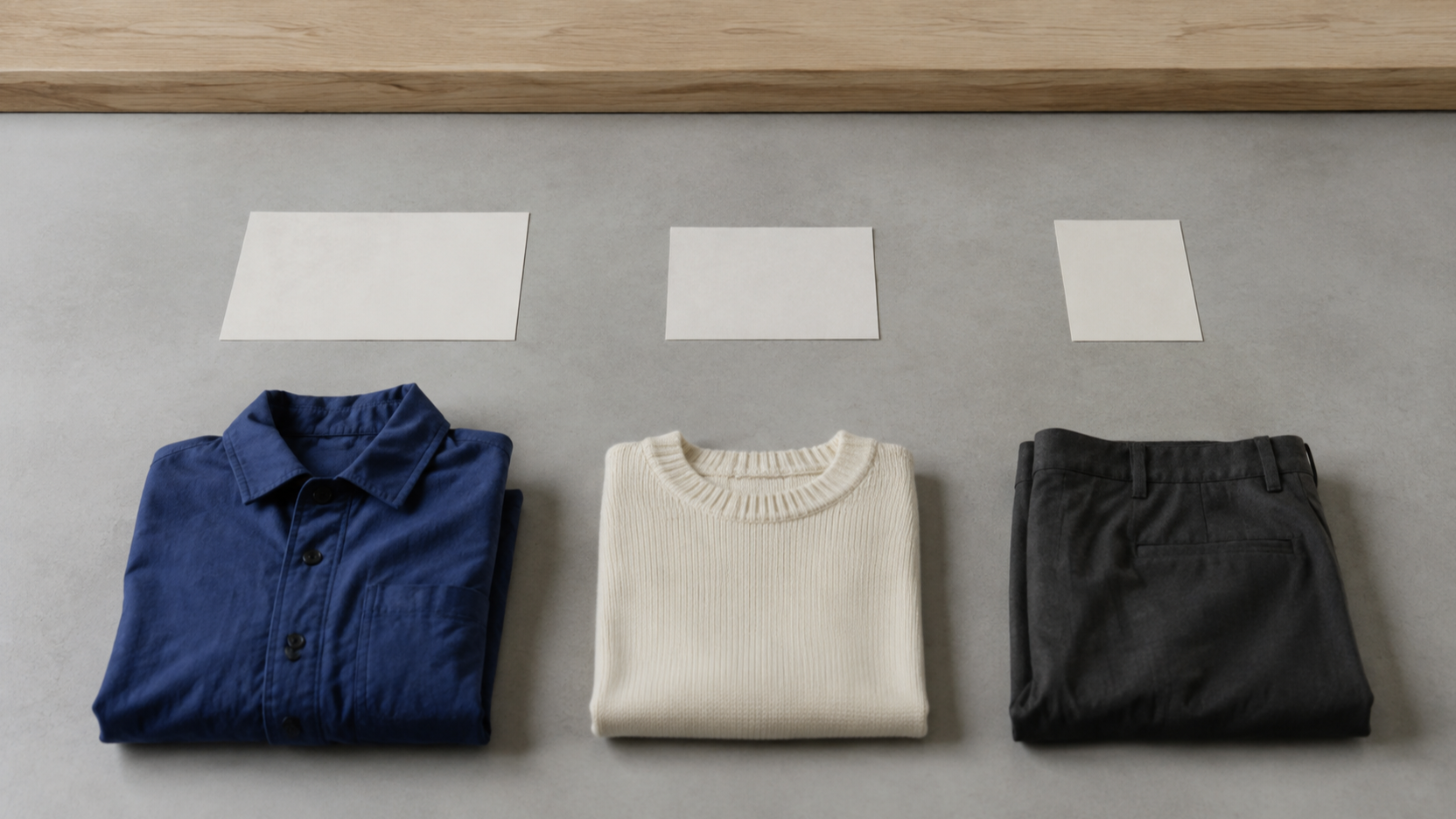
How to keep borrowed clothes out of your wardrobe count
A private way to separate borrowed clothes from an owned wardrobe count without guessing ownership, value, or a return obligation.
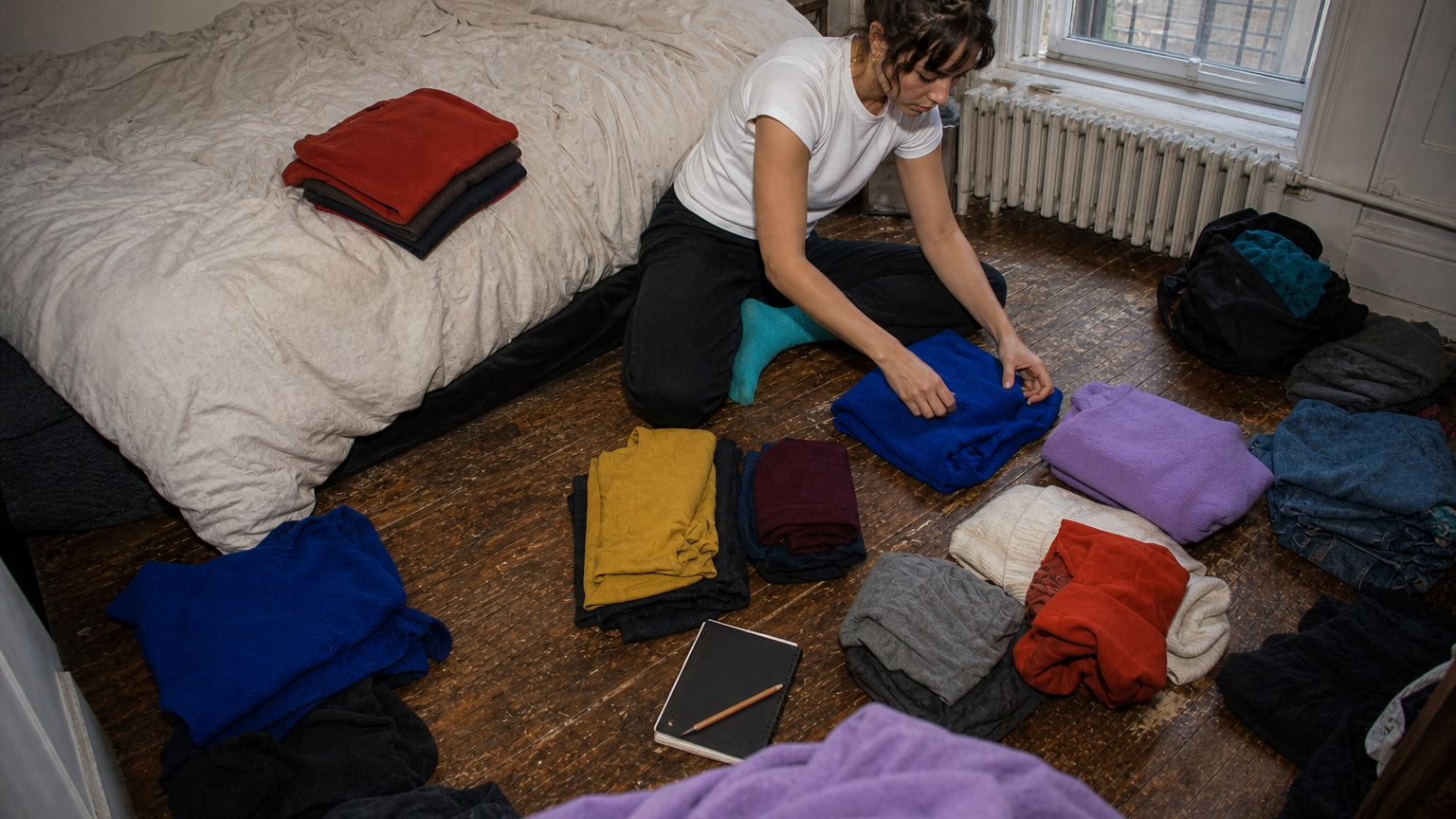
How to repeat an outfit without starting over
A bounded way to repeat one complete outfit from a private reference without rebuilding, scoring, or tracking the look.
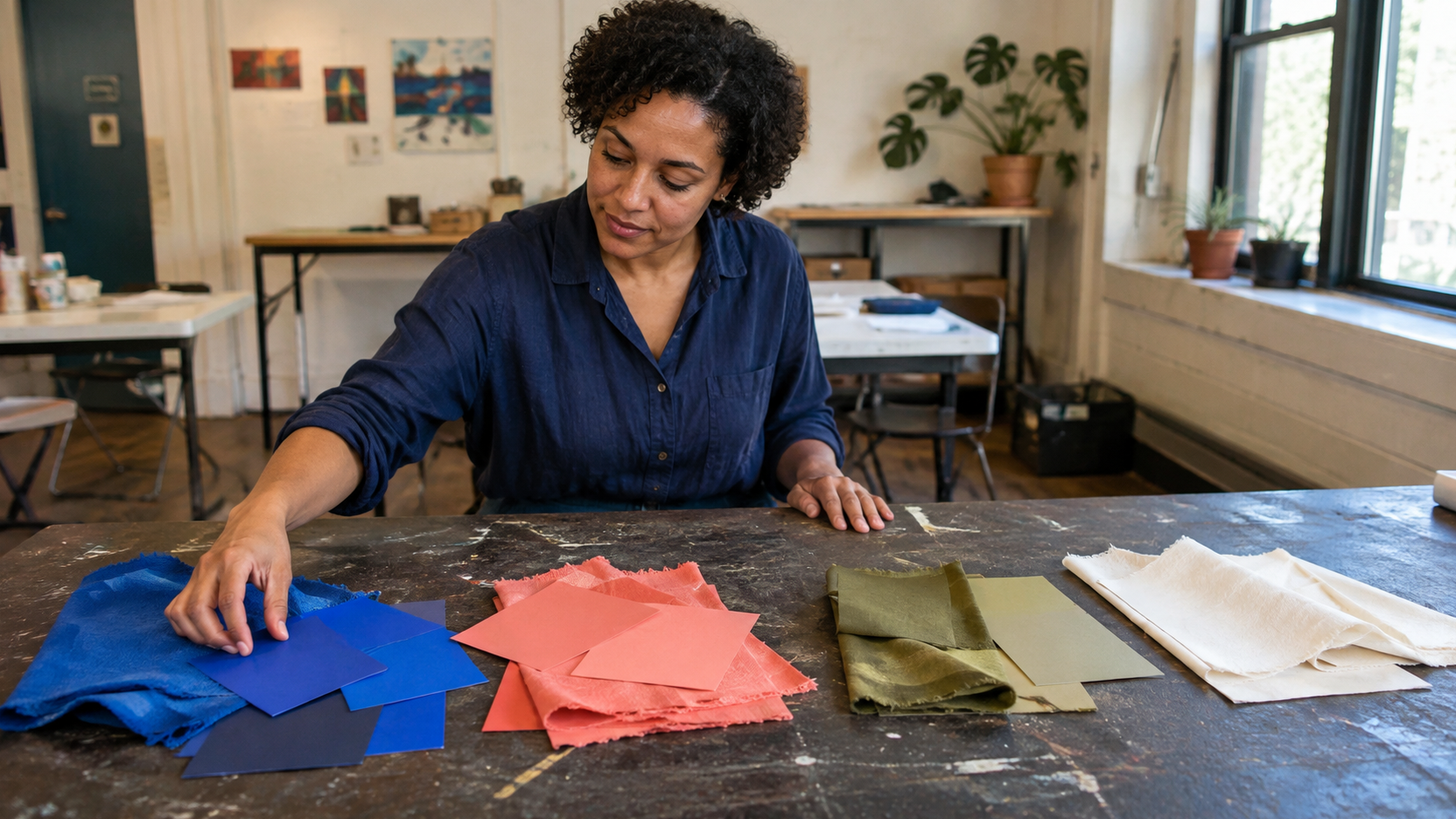
Four vs twelve color seasons: what changes?
A source-aware way to compare broad seasonal labels with a provider’s more detailed subdivision—without turning either into a verdict about you.

How to evaluate color analysis across skin tones
A five-field check for reading color-analysis examples with more care—without asking a guide to classify you or anyone else.
How to turn a written dress code into an outfit decision
A source-first way to choose an owned outfit from a written dress code without turning an assumption into a rule or a shopping need.
How to record a matching set as separate clothes
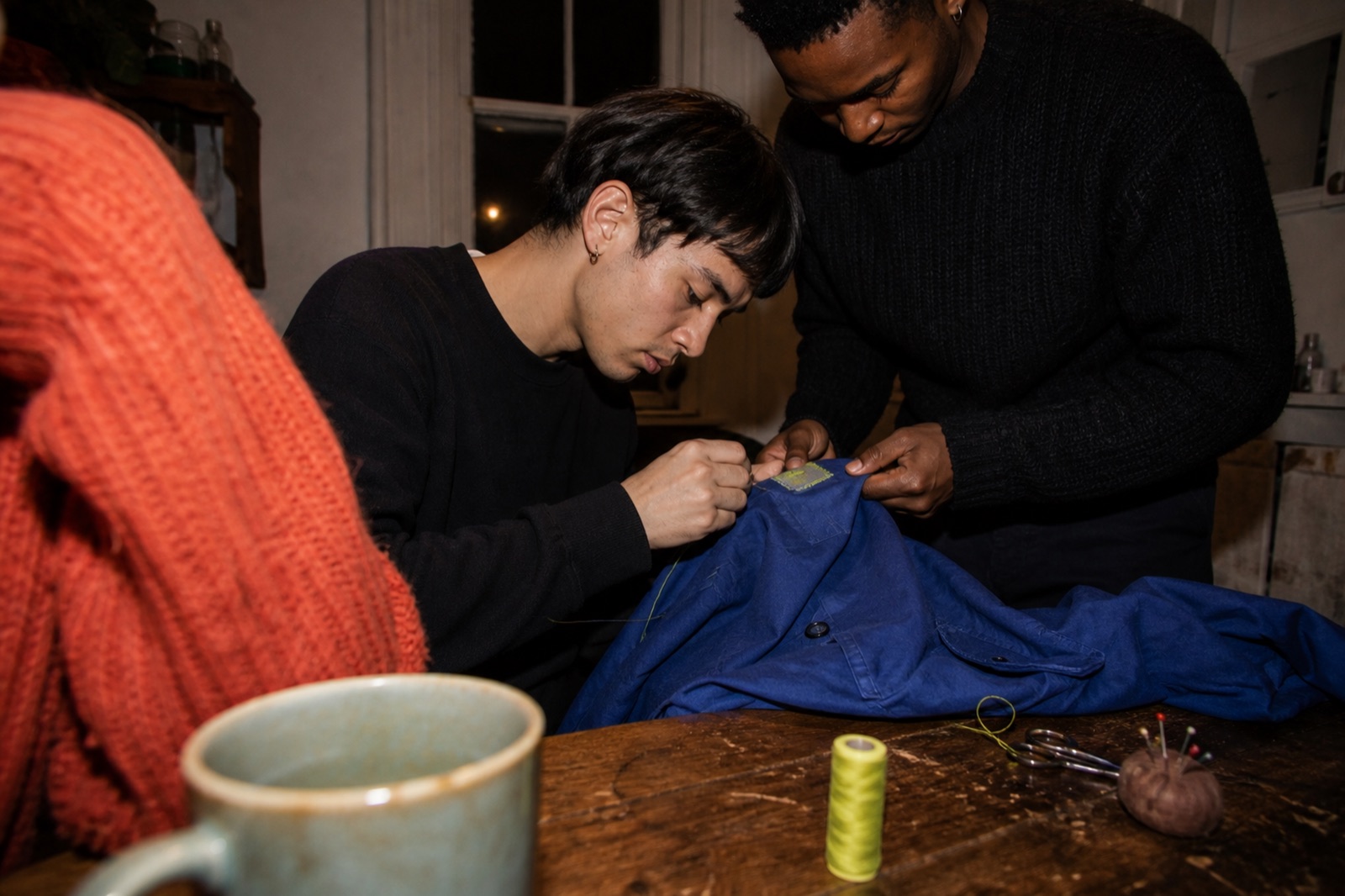
A simple way to record matching clothes as separate pieces while keeping their relationship and any differences visible.
How to record a clothing alteration without losing details
A simple way to note a clothing alteration while keeping original garment information and unresolved questions separate.
What to check before sharing wardrobe photos
A practical check for deciding what to share from a wardrobe photo, with limits on permissions, links and removing access.
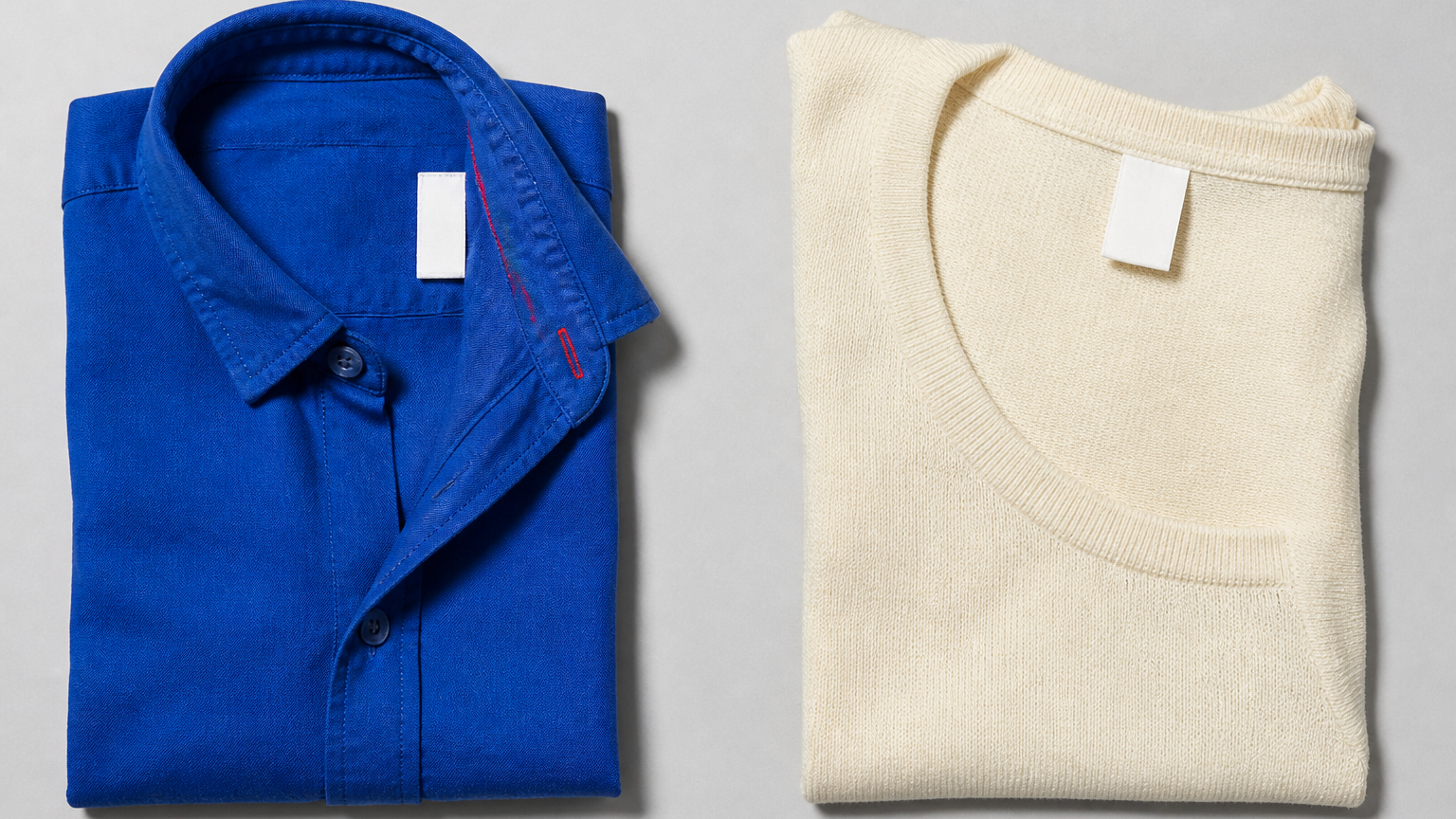
How to sort a laundry load from care labels
A cautious way to compare care labels before putting clothes in one laundry load, without guessing beyond what a label says.
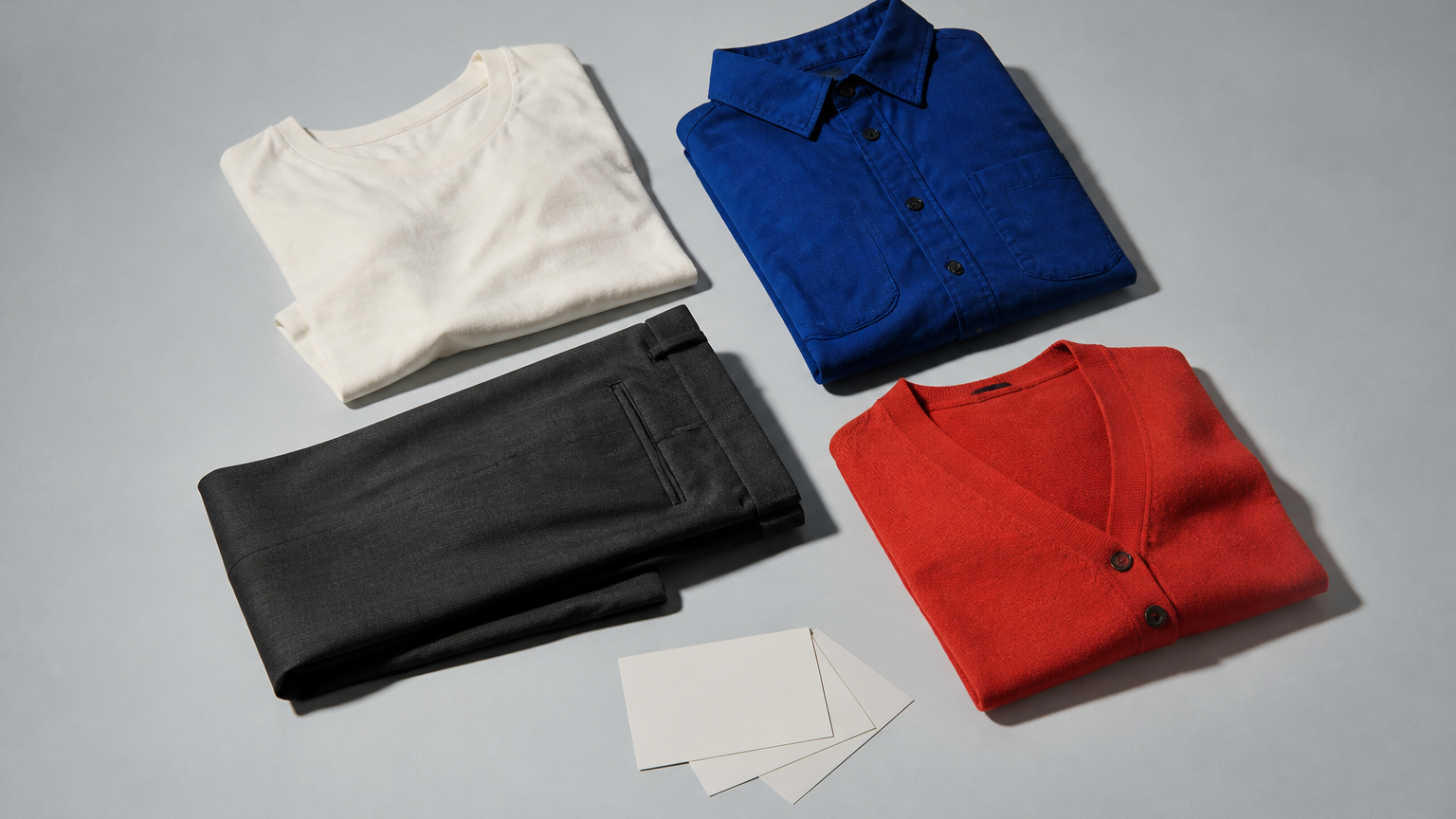
What is a digital wardrobe?
A plain guide to what a digital wardrobe is, what it can help you keep track of and how to choose a format you will maintain.
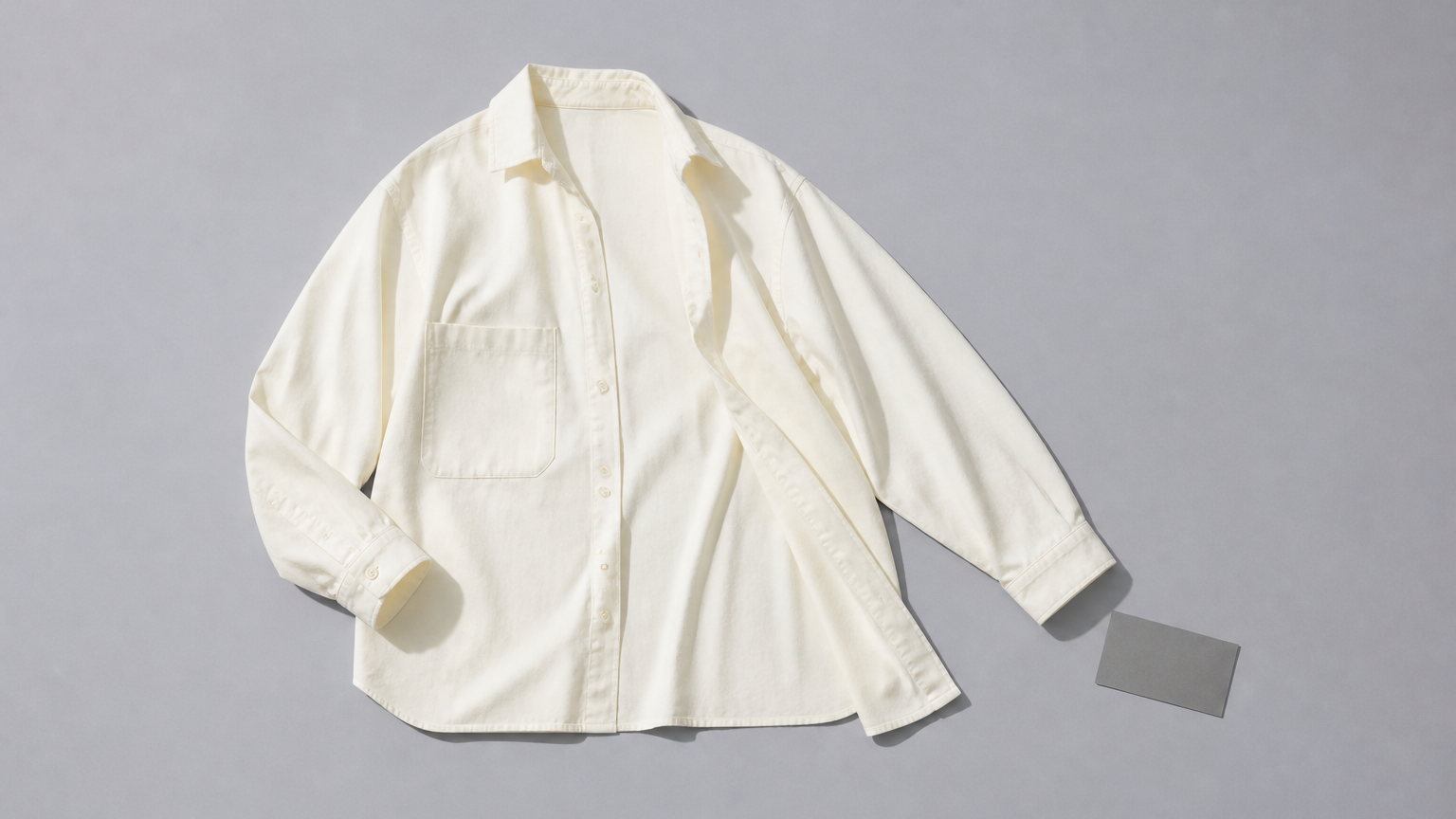
How to check whether a garment is ready to donate
Use a receiving programme’s current policy to check one garment before handover, without assuming it will be accepted, reused or recycled.
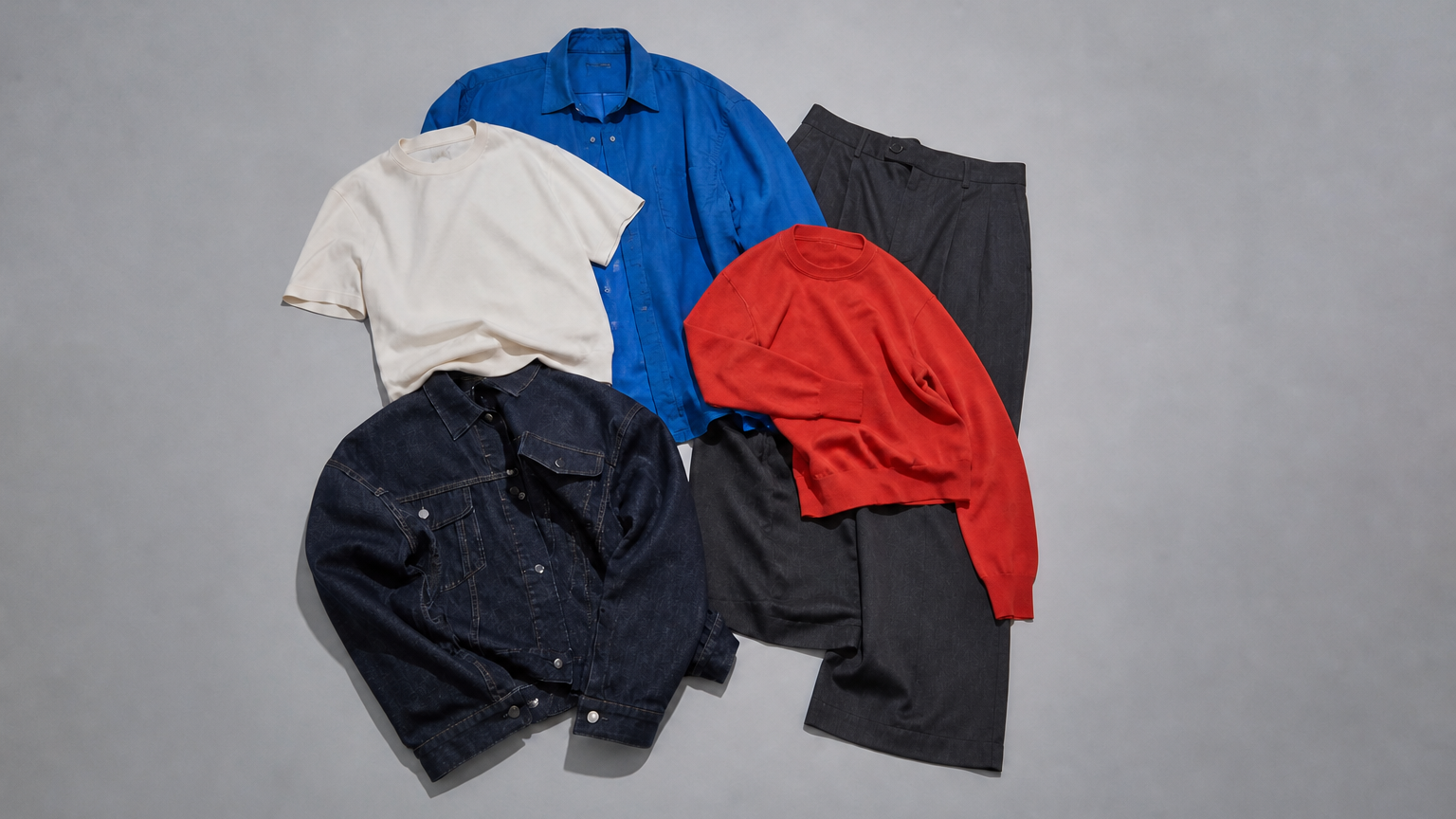
How to build a capsule from clothes you already own
A context-led way to choose a temporary capsule from clothes you already own, without a fixed list, item count, or shopping conclusion.
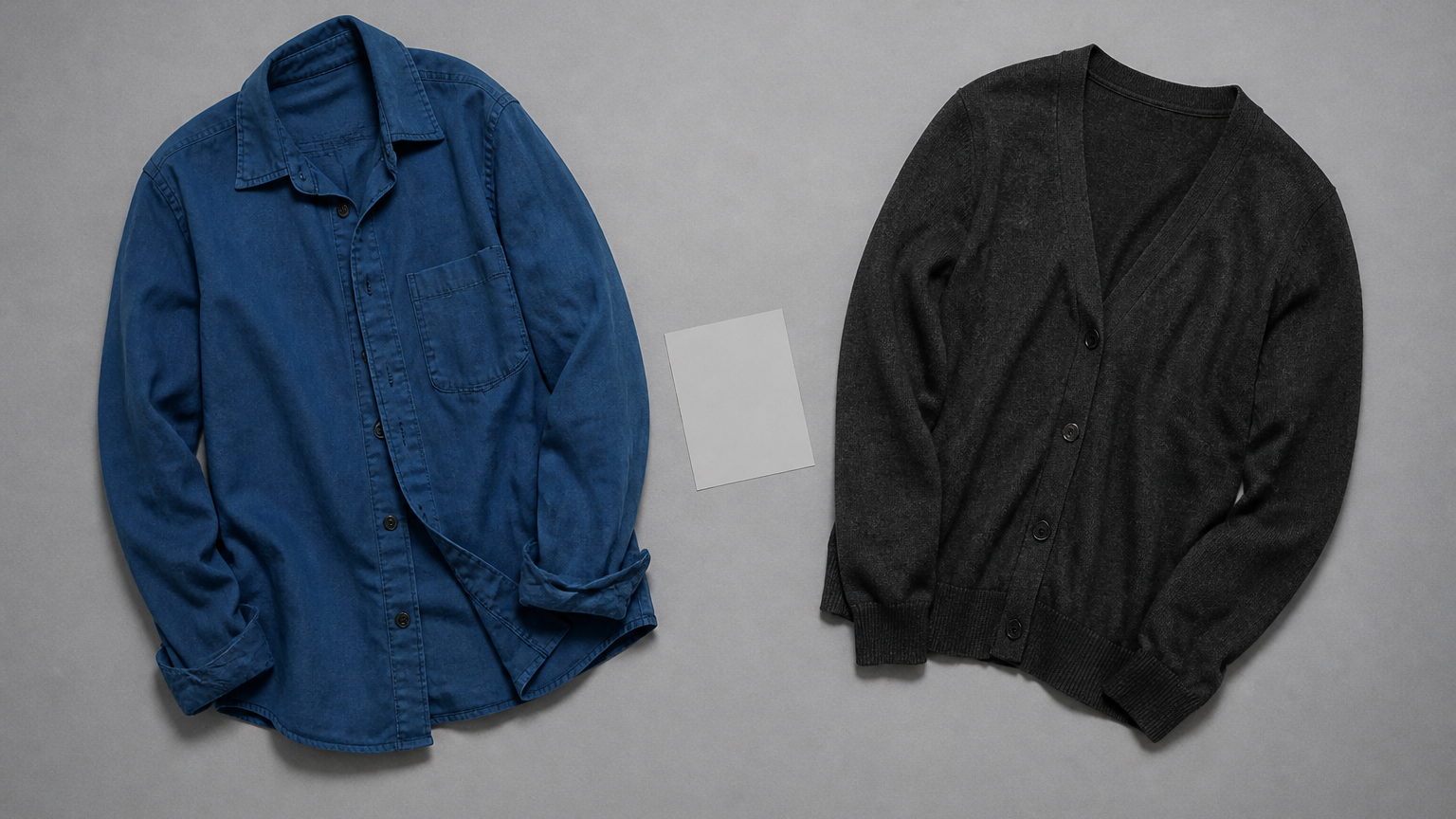
How to tell a wardrobe gap from a wish list item
A careful way to test whether a desired item reflects a documented wardrobe gap or an unresolved wish, without turning either into a shopping instruction.
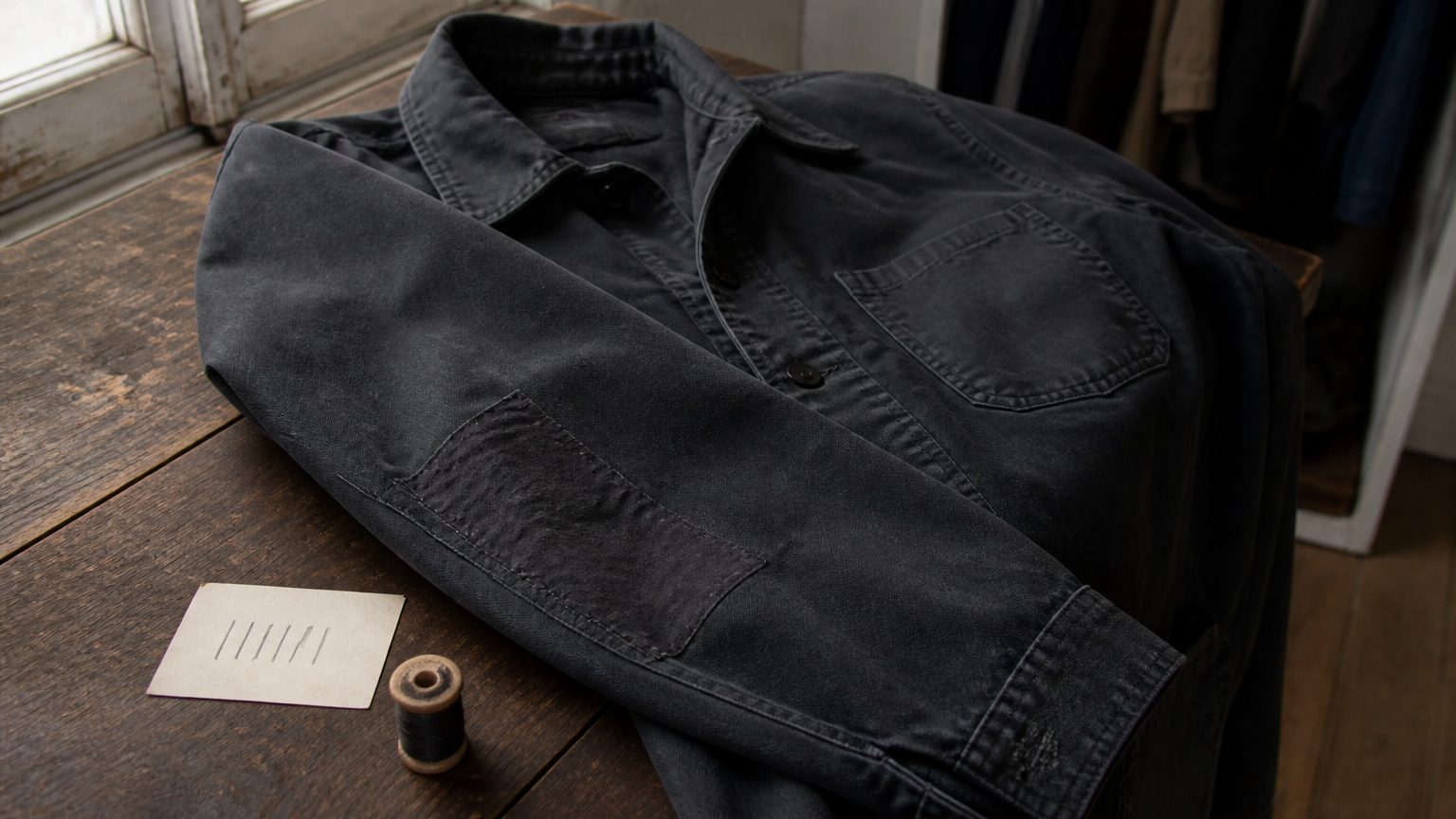
How to calculate cost per wear without false precision
A simple way to calculate cost per wear from your own records while keeping missing information and uncertainty visible.
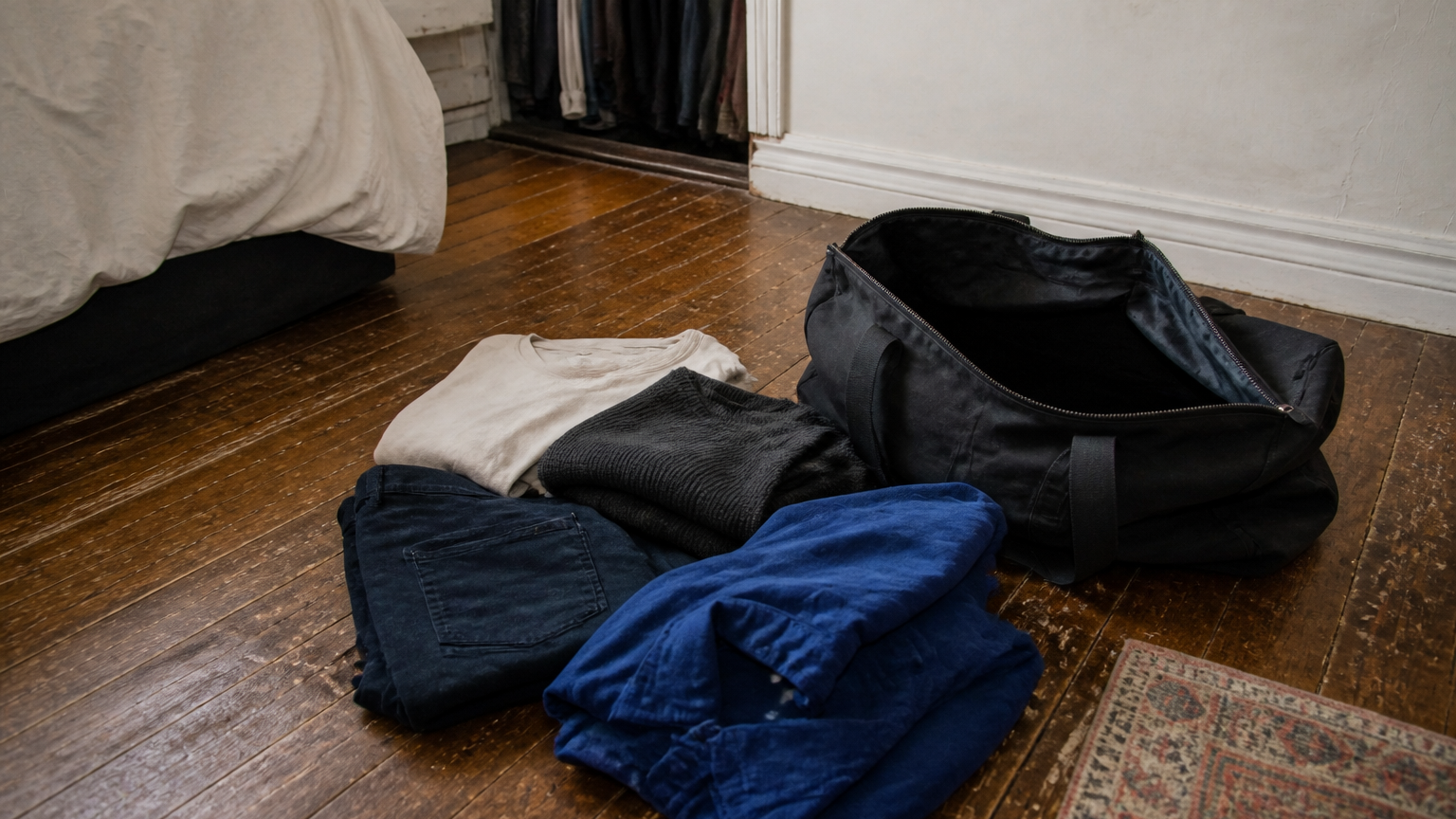
How to pack for a short trip using clothes you own
Plan a short-trip wardrobe around your actual activities and familiar clothes, while keeping current carrier and airport constraints separate.
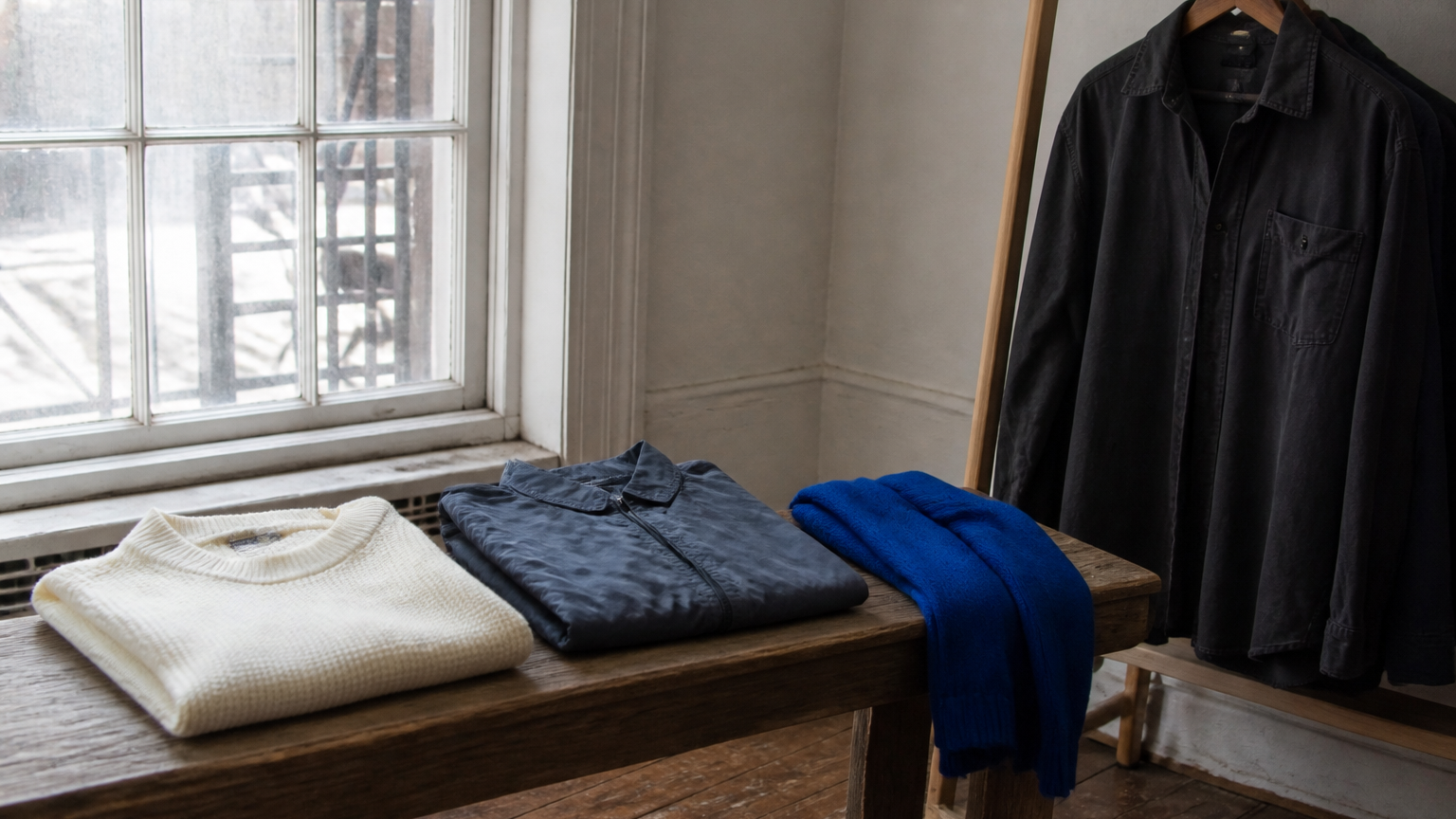
How to choose an outfit for changing weather
A simple way to choose one adjustable layer for an ordinary changing day, without treating an outfit as fixed or relying on a live weather feed.
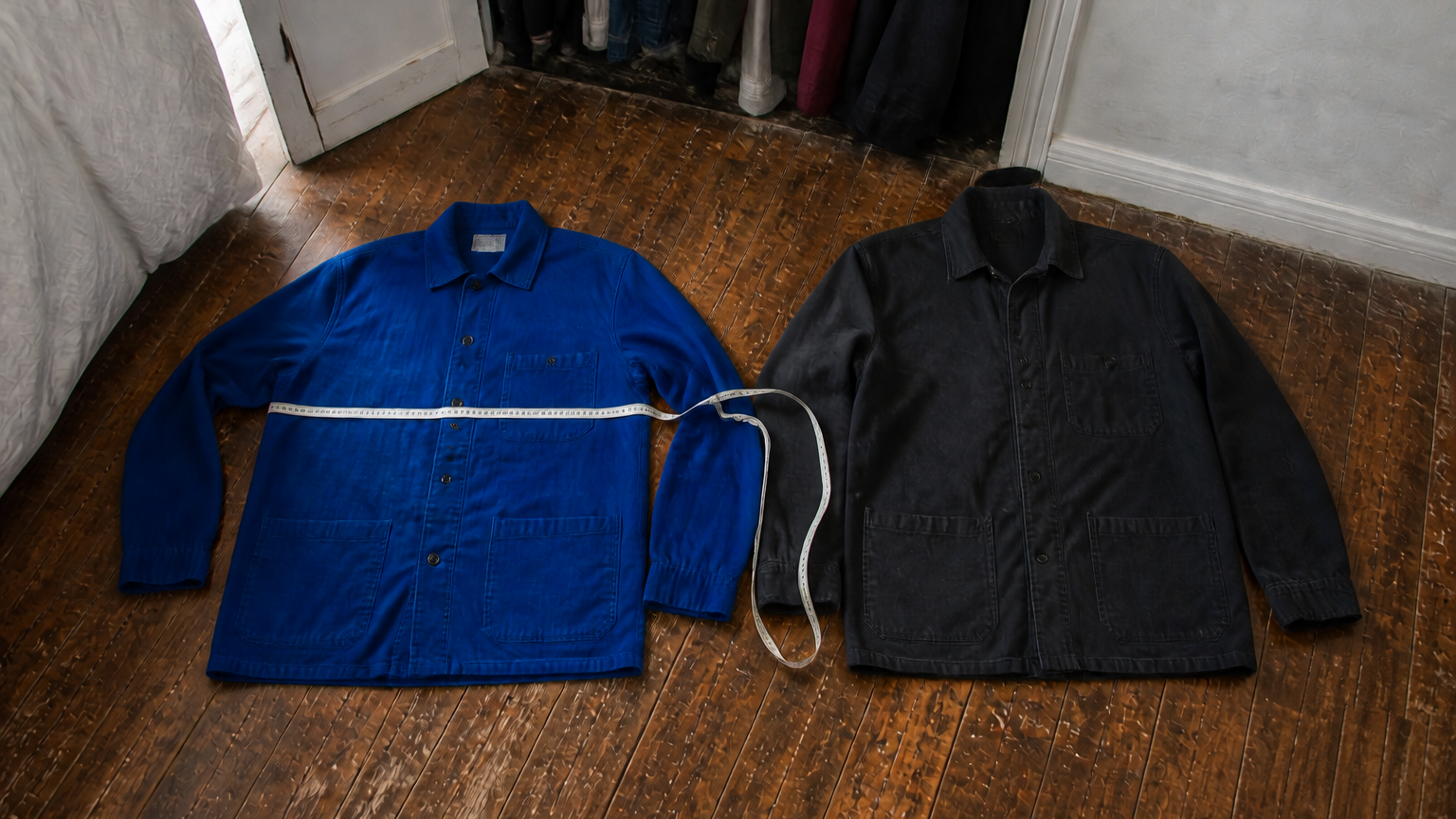
How to compare garment measurements with clothes you own
Compare one or two clearly named garment points with a reference piece—without turning a number into a promise about fit or comfort.
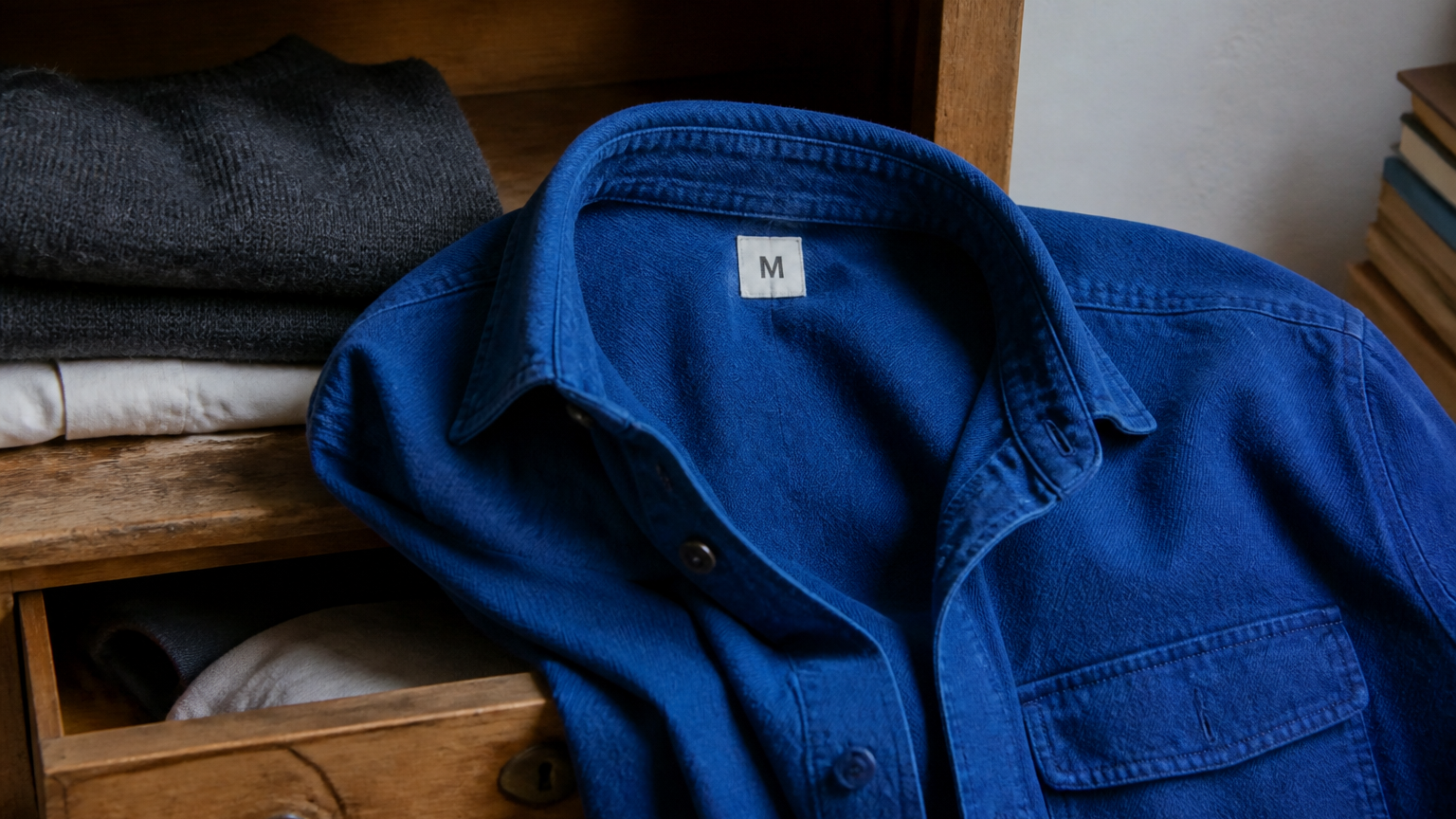
What a clothing size label can and cannot tell you
A clothing size label is useful context, but it cannot settle fit, comfort or preference on its own. Keep those questions separate.
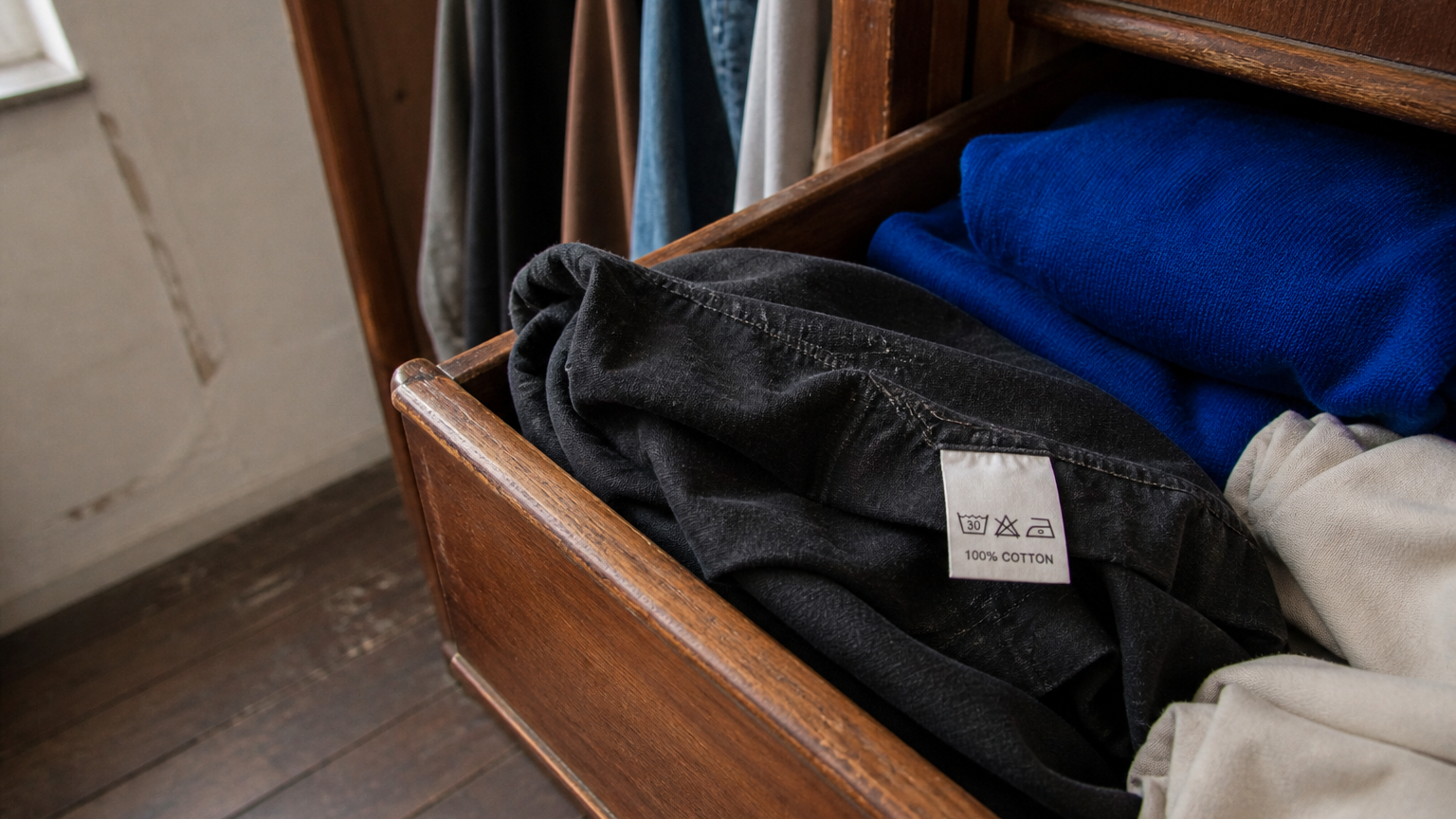
How to turn a care label into a useful wardrobe note
A small way to keep the care details that matter for one garment—without turning a label into a universal rule or a full inventory project.
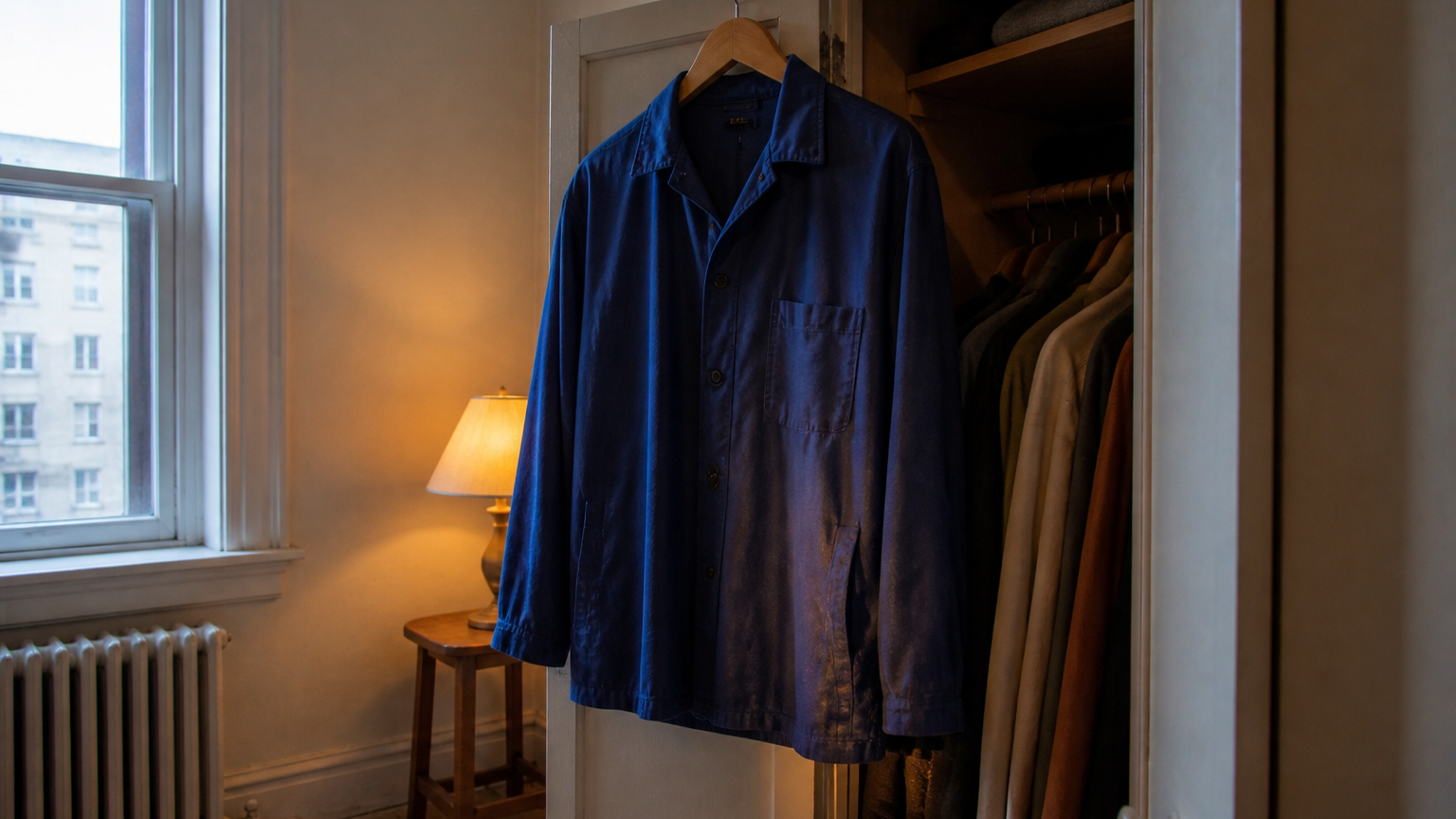
Why clothes can look different in different light
Why one garment can seem different across daylight, indoor light and photos—and how to compare it without pretending the answer is certain.
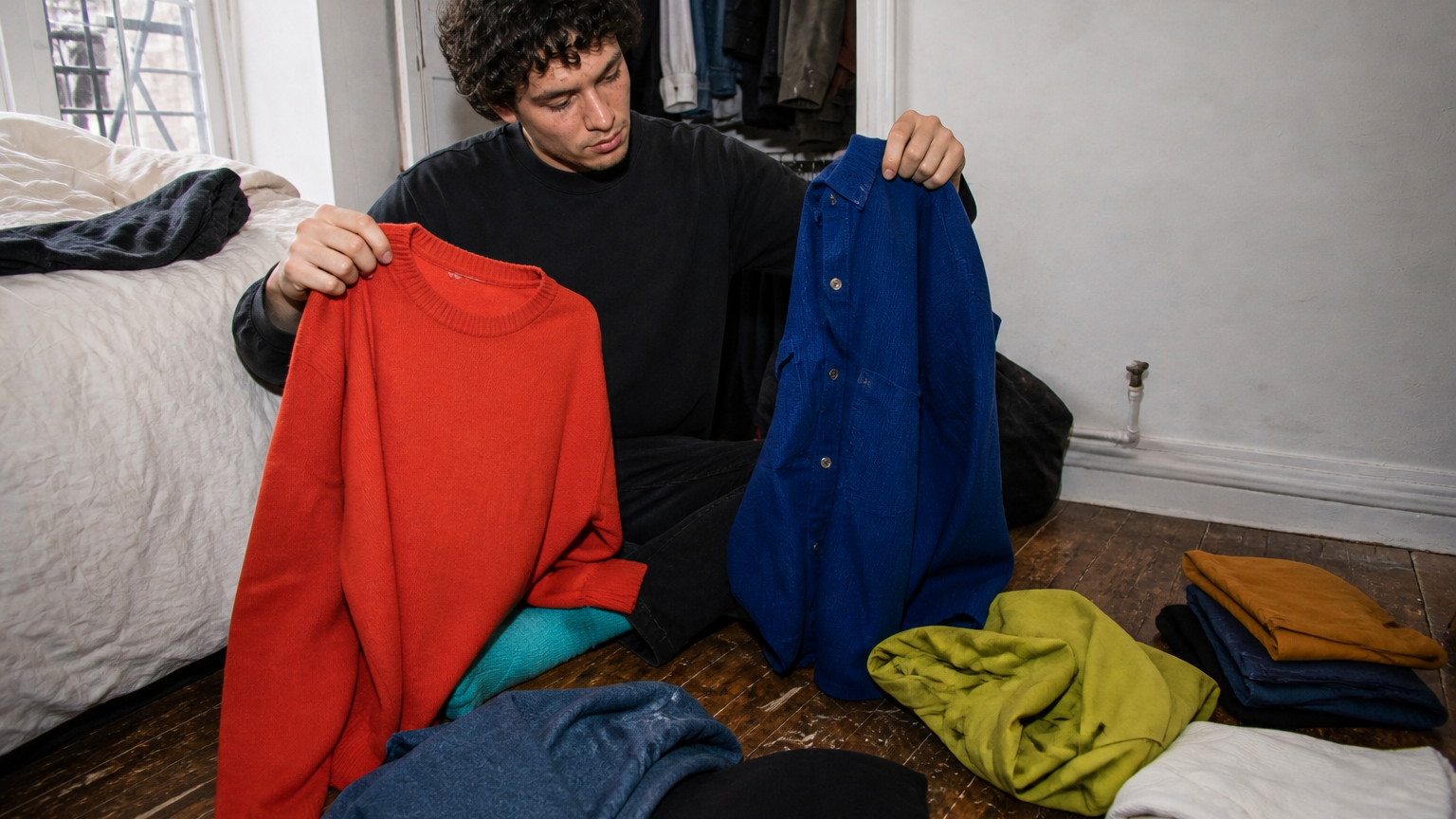
How to compare colors in the clothes you already own
A grounded way to compare a few garments you own in one context, without assigning yourself a color season or chasing a perfect palette.
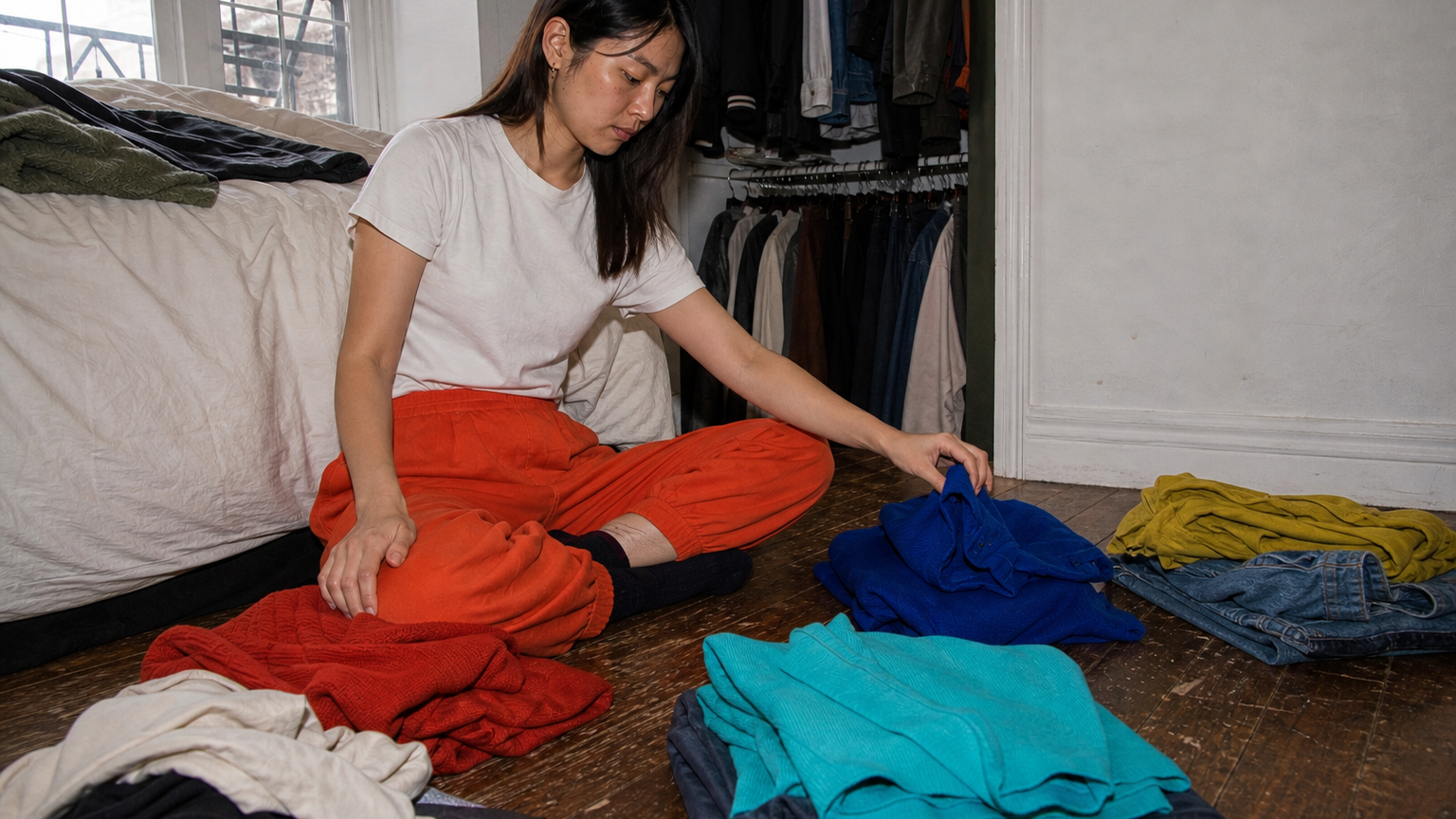
How to categorize clothes without over-organizing
A practical way to separate clothing categories, tags and statuses without building a system that becomes harder to maintain than the wardrobe itself.
Photo album, spreadsheet or digital wardrobe?
Choose a photo album, spreadsheet or digital wardrobe system by the decision you need to make—not by how complete it looks.